
Cat:Produk
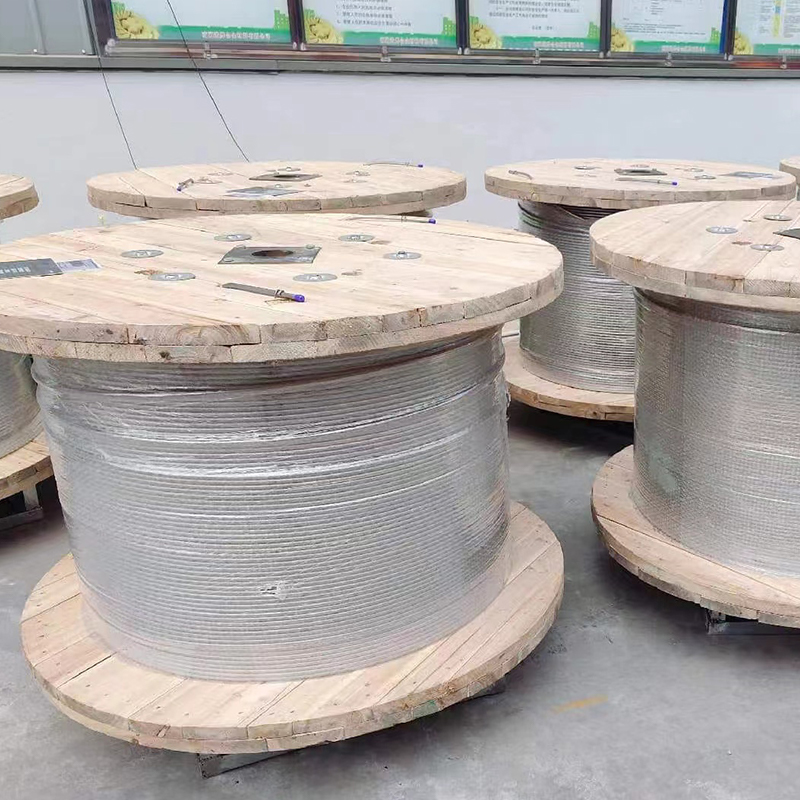
Tiub berterusan, yang juga dikenali sebagai tiub fleksibel atau tiub fleksibel, digunakan secara meluas dalam bidang kerja, pembalakan dan penggeru...
Lihat butiran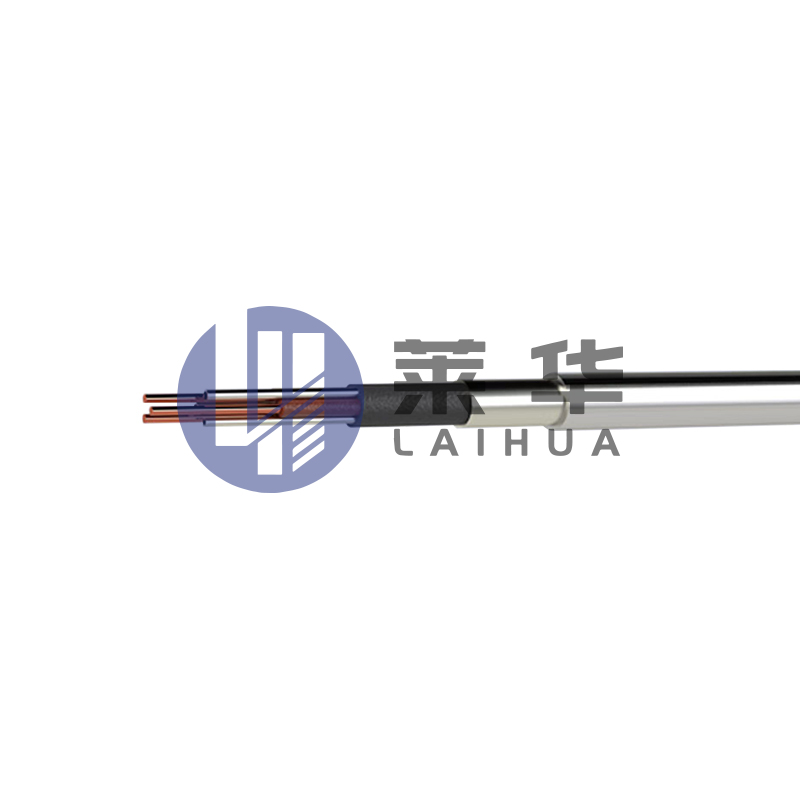
A single corroded pipeline section can shut down an entire production line for days. That's the kind of failure operators in the oil, gas, and chemical sectors are trying to design out of their systems — and it's why stainless steel clad pipe has moved from a niche specification to a mainstream choice.
The concept is simple: bond a stainless steel inner layer to a carbon steel outer shell. The result is a pipe that resists corrosion from the inside while keeping the mechanical strength and lower cost of carbon steel on the outside. For plants moving acidic fluids, brine, or high-temperature steam, that combination solves two problems most pipe materials can only solve one at a time.
Corrosion is rarely sudden. It's slow, it's expensive, and it's often invisible until a leak forces an unplanned shutdown. The stainless steel inner layer of clad pipe forms a continuous barrier against acids, salts, and other aggressive media, so the pipe keeps its structural integrity long after a standard carbon steel line would start pitting.
This matters most in environments where downtime carries a real financial cost — petrochemical plants, power generation facilities, and food processing lines all fall into this category. Fewer replacements and less unplanned maintenance translate directly into more predictable operating budgets.
Clad pipe costs more upfront than plain carbon steel, but less than solid stainless steel of the same diameter. That middle position is the point. You get the corrosion performance where it matters — the inner surface in contact with the process fluid — without paying for stainless steel throughout the wall thickness.
Over a multi-year service life, the math usually favors clad pipe once you factor in reduced inspection frequency, fewer emergency repairs, and longer intervals between full pipeline replacements. For procurement teams comparing total cost of ownership rather than just quote price, this is often the deciding factor.
Clad pipe shows up wherever corrosive media meets high-pressure or high-temperature service:
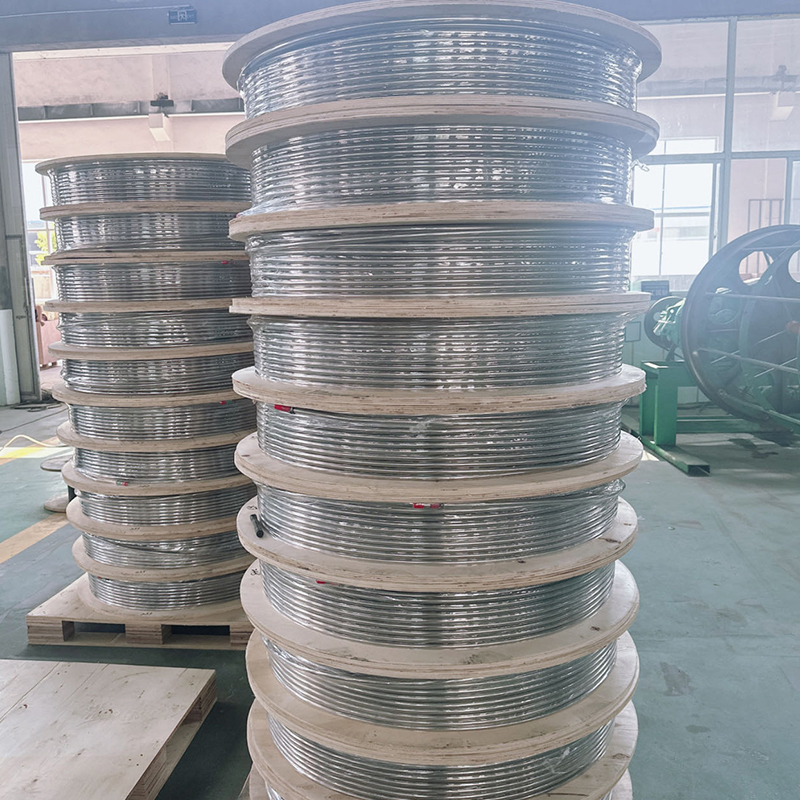
If your operation runs any of these, the question isn't whether corrosion-resistant piping helps — it's whether clad pipe or a related component, like a stainless steel coil and control pipeline, fits your specific pressure and routing requirements.
One concern buyers raise is whether a clad construction sacrifices mechanical strength. It doesn't — if anything, the carbon steel outer layer adds toughness and resistance to physical wear that solid stainless steel pipe sometimes lacks at comparable wall thickness. The bond between the two layers is engineered to handle both internal pressure and external mechanical stress without delaminating.
That makes clad pipe a practical option for high-pressure applications where pure stainless pipe would be either too brittle or too costly to justify. You're not trading durability for corrosion resistance — you're getting both in one product.
Not all clad pipe is produced to the same standard. Before placing an order, confirm the cladding method (weld overlay versus mechanical or explosion bonding), the bond integrity testing performed, and the certification for both the base and clad layers. Ask for mill test reports and, where relevant, third-party inspection records.
It's also worth confirming the supplier's production capacity matches your project timeline — clad pipe runs are more specialized than standard carbon steel, and lead times can vary significantly between manufacturers.
For operators weighing pipeline material upgrades, clad pipe represents a practical middle ground: better corrosion performance than carbon steel, lower cost than solid stainless, and mechanical properties suited to demanding industrial conditions. As more plants look to cut maintenance budgets without compromising on safety, this composite approach is becoming less of an alternative and more of a default specification.
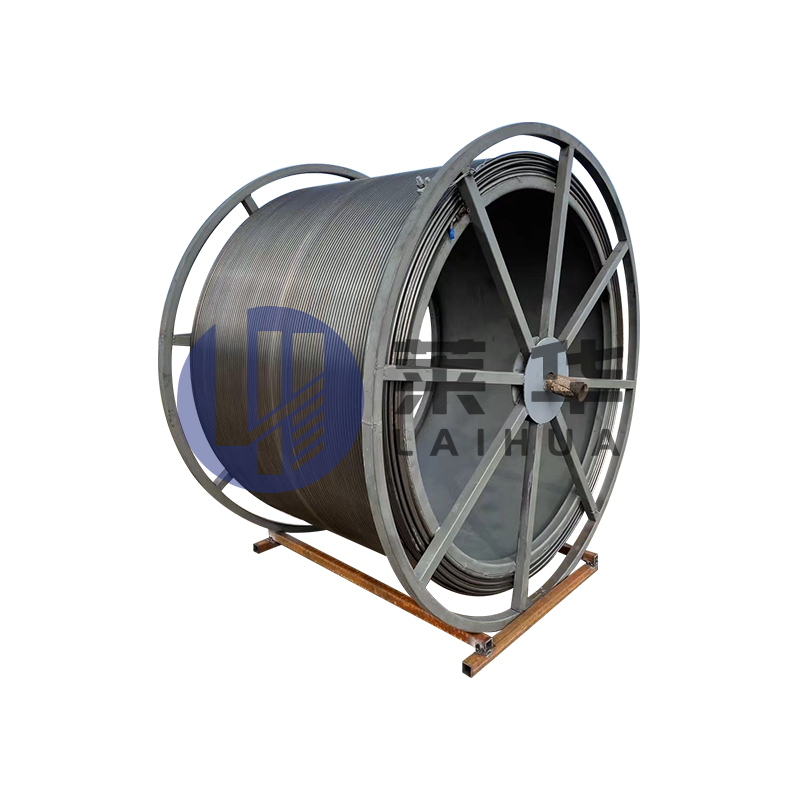
Tiub berterusan, yang juga dikenali sebagai tiub fleksibel atau tiub fleksibel, digunakan secara meluas dalam bidang kerja, pembalakan dan penggeru...
Lihat butiran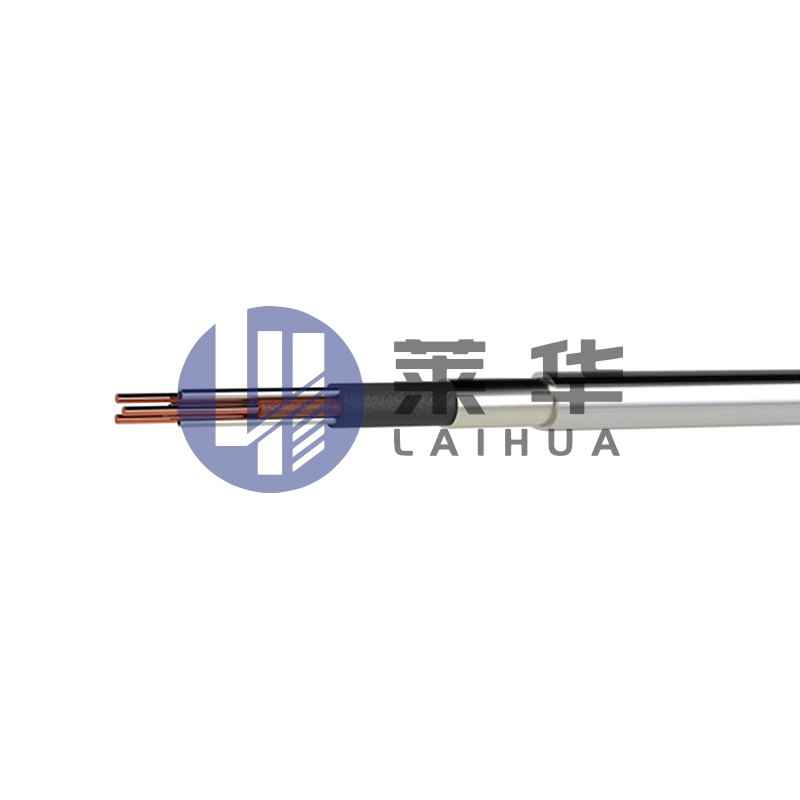
Tujuan: Kabel ujian suhu tinggi, digabungkan dengan kenderaan ujian suhu tinggi, terutamanya digunakan dalam ujian multi-parameter bagi telaga peng...
Lihat butiran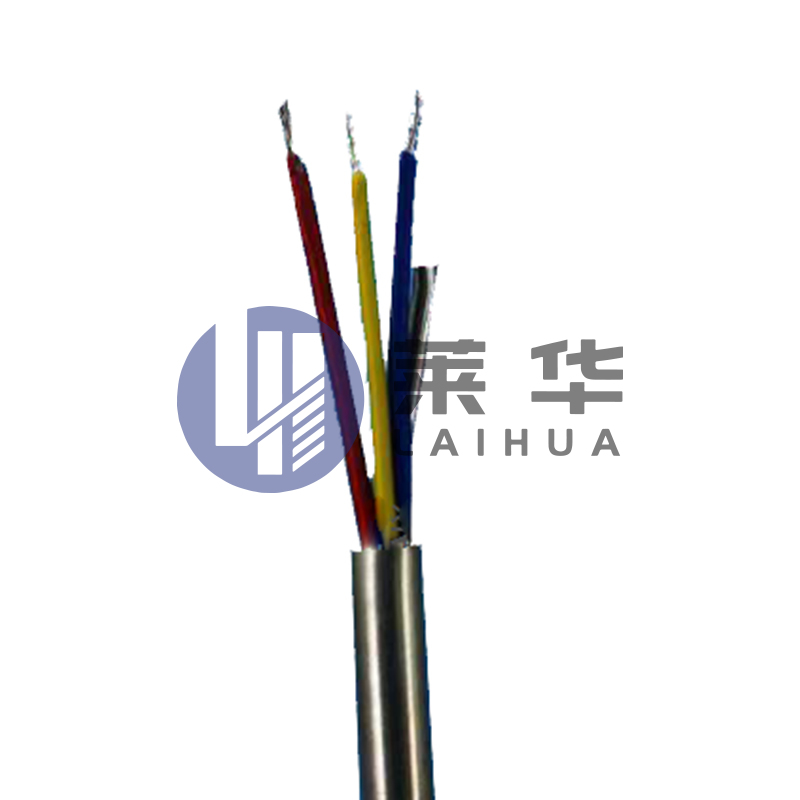
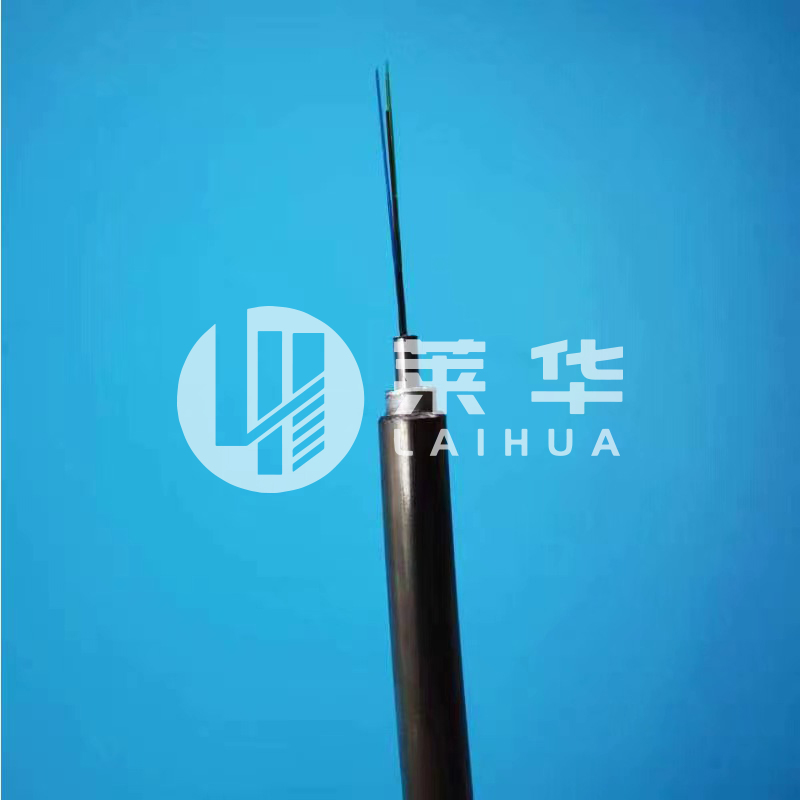
Kabel ujian serat optik keluli tahan karat adalah kabel ujian khas yang menggabungkan ketahanan keluli tahan karat dengan kecekapan penghantaran ti...
Lihat butiran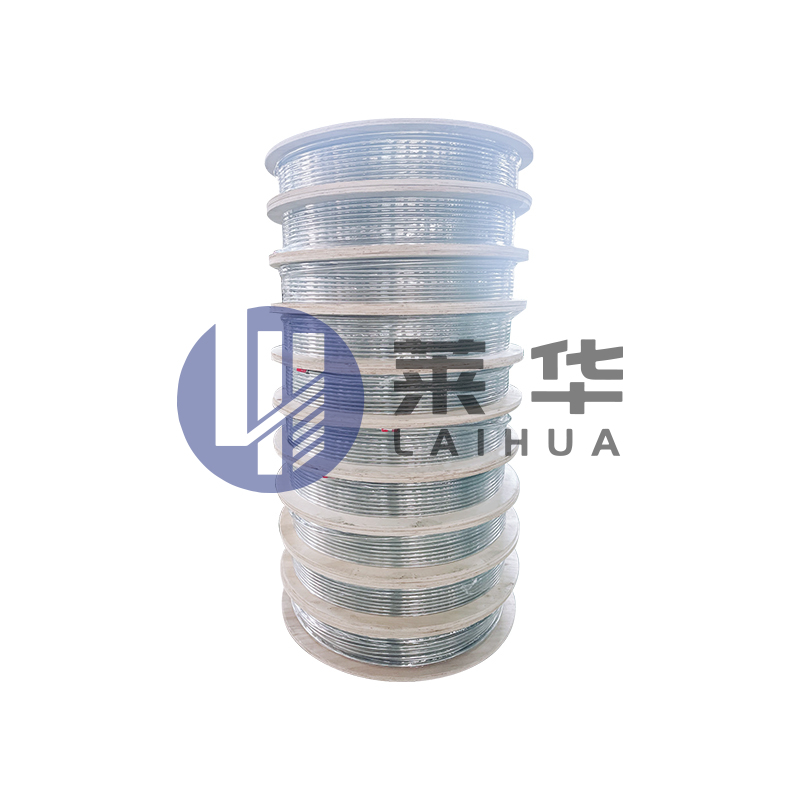
Arahan untuk menggunakan saluran paip kawalan hidraulik hidraulik, juga dikenali sebagai kapilari. Terutamanya digunakan untuk pengukuran tekanan k...
Lihat butiran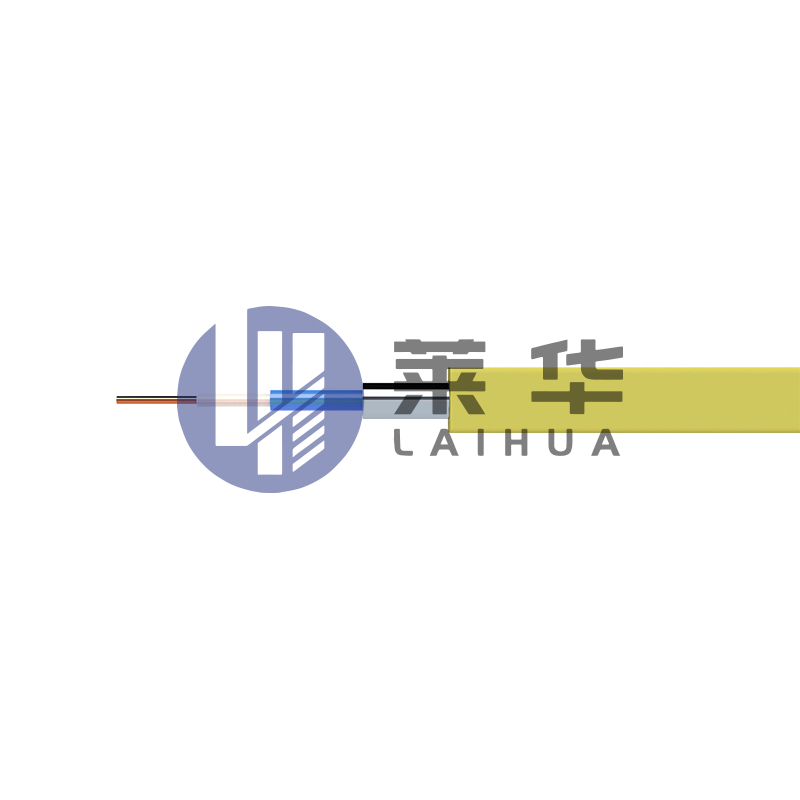
Pipa berpakaian keluli tahan karat adalah sistem paip yang menggabungkan ketahanan keluli tahan karat dengan perlindungan plastik. Sistem paip ini ...
Lihat butiran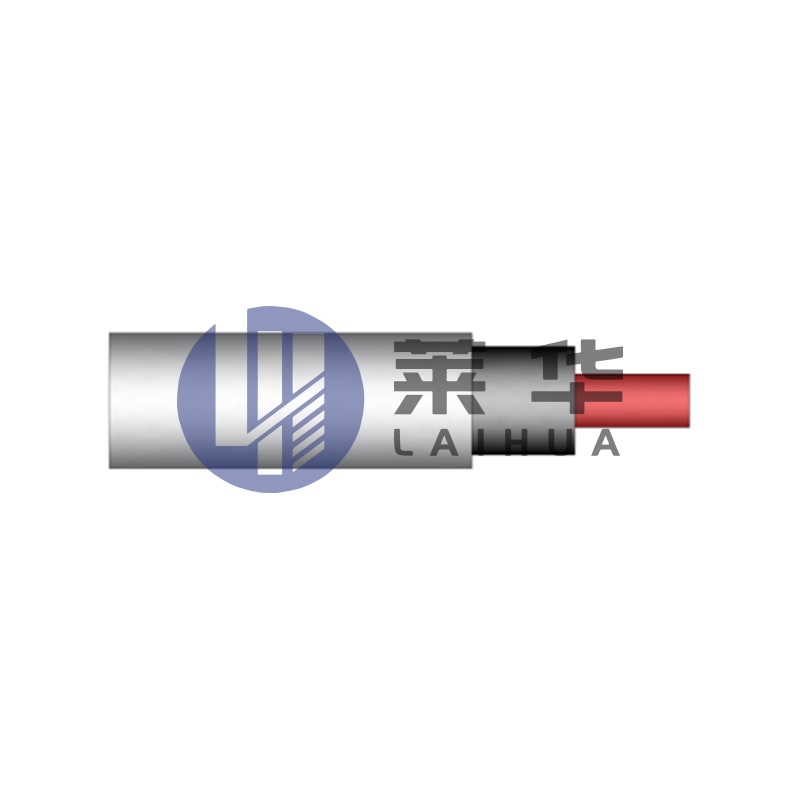
Medan permohonan: Sistem pemanasan induksi elektrik adalah satu set lengkap peranti pemanasan elektrik yang dibangunkan oleh syarikat kami khusu...
Lihat butiran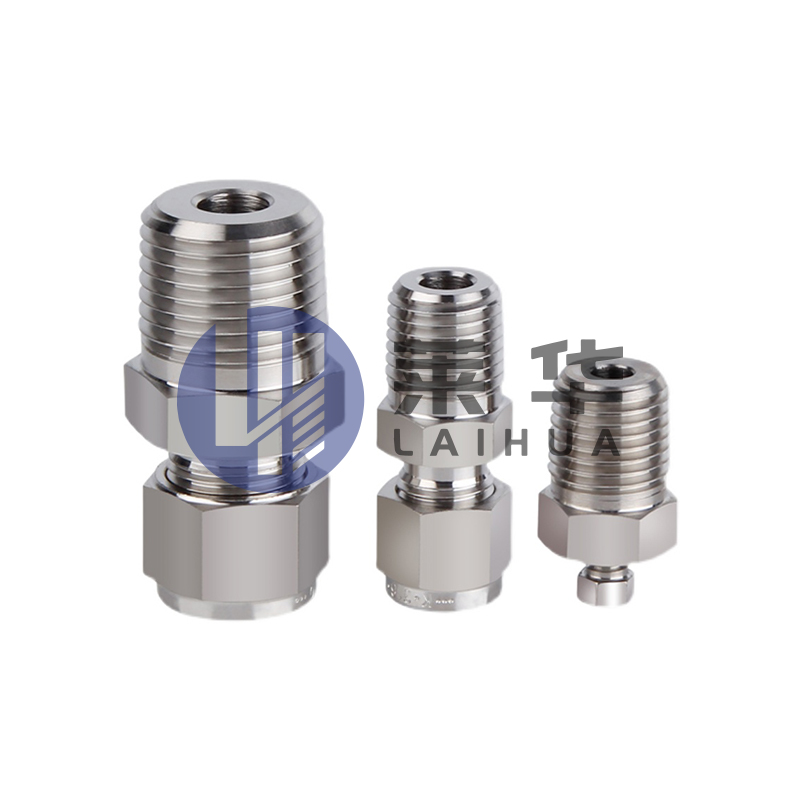
Sambungan paip jenis ferrule terdiri daripada tiga bahagian: badan bersama, ferrule, dan kacang. Apabila pengapit dan kacang dimasukkan ke dalam ba...
Lihat butiran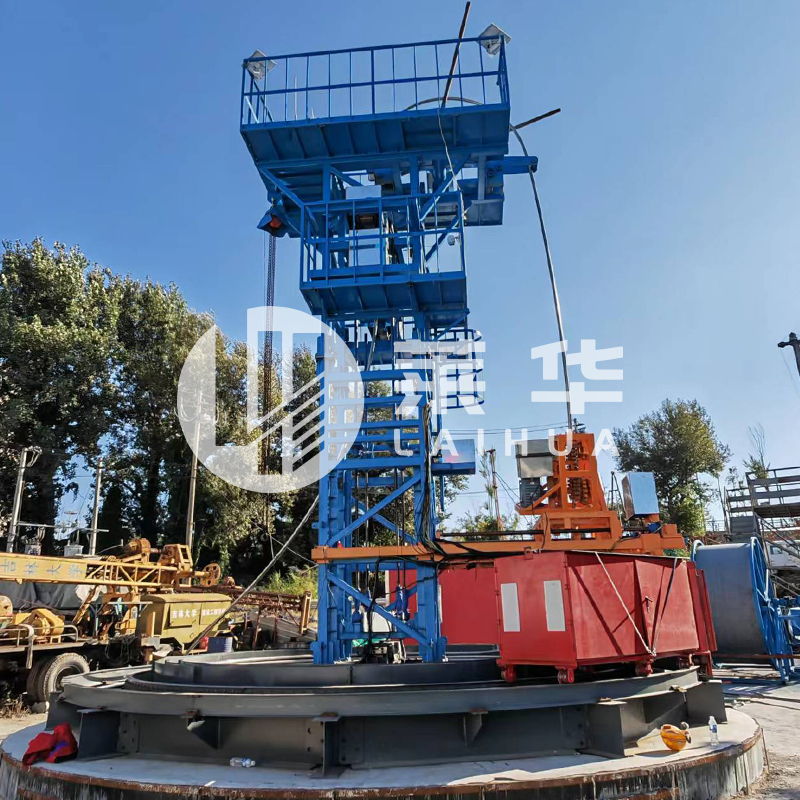
Tubing Skid Winch Berterusan adalah peralatan yang direka khas untuk operasi medan minyak, yang menggabungkan ciri -ciri reka bentuk Workhorse Tubi...
Lihat butiran

E-mel:

Telefon: +86-15996597000
+86-18252893456

WhatsApp: +86-18252874678

Alamat: No. 3 Xinyuan Road, Taman Perindustrian Bandar Nanmo, Bandar Hai'an, Bandar Nantong, Wilayah Jiangsu, China
Kod QR ON
telefon bimbit
Hak Cipta © Jiangsu Laihua Petroleum Equipment Co., Ltd.


Hubungi kami